Top Things to Do in Marrakech
Beyond the tourist traps — the local's guide to Marrakech's best experiences, from hidden riads to rooftop cafes and the real souks.
Marrakech Beyond the Postcard
Marrakech is one of the most photogenic and chaotic cities on earth. Done right, it's utterly magical. Done wrong, you'll spend three days being hassled in the wrong souks and eating overpriced food near the main square. This guide is built on real local knowledge.
Jemaa el-Fna — Go Twice
The main square is tourist-central but genuinely unmissable. The trick is timing: visit at 7am for breakfast when it's calm and locals are setting up, then return at 8pm when the food stalls ignite. Street performers, storytellers, smoke, spice — it's genuinely spectacular at night.
Eat at the stalls for the atmosphere, not the food quality. Stall 1 near the orange juice vendors is a local favourite. Ignore the price boards and just ask the cost before sitting — prices are negotiable if you're paying from the street rather than a table.
The Souks — Navigate Properly
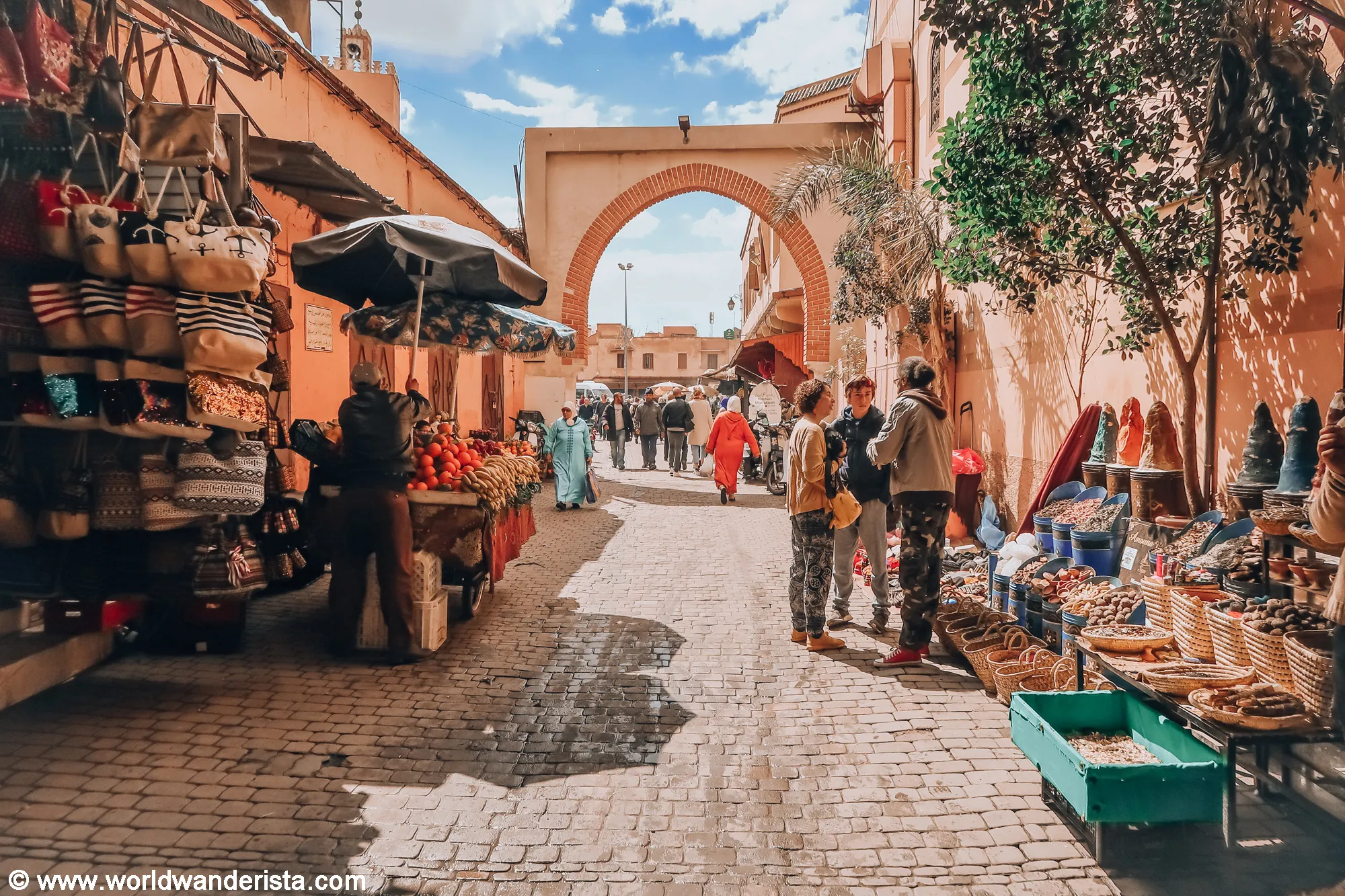
The souks are divided by craft. Souq Semmarine is the main tourist artery — overpriced but unavoidable. Go deeper into the Souq des Teinturiers (dyers' souk) and the Souq des Forgerons (metalworkers) for the real thing.
The best souk rule: never follow a "guide" who approaches you unsolicited. The Medina is not as confusing as guides claim — and getting lost is actually the point.
Majorelle Garden + Yves Saint Laurent Museum
Book online the night before — the garden sells out by mid-morning in high season. Go at 9am sharp at opening. The YSL Museum next door is genuinely world-class and worth 90 minutes. Combined ticket is worth it.
Hammam — Do It Properly
Skip the tourist hammams near Jemaa el-Fna and go to Hammam Dar el-Bacha in the northern Medina. It costs 15 MAD (about €1.50) for the basic scrub. Traditional hammams are communal — men and women separately, different hours. Bring flip-flops and a change of clothes.
Day Trips From Marrakech
- Ourika Valley: 1 hour, Atlas foothills, Berber villages, waterfall — perfect half-day
- Essaouira: 2.5 hours, blue-white Atlantic port city, entirely different energy
- Ait Benhaddou: 4 hours, UNESCO kasbah, worth it if heading towards the Sahara
- Agafay Desert: 45 minutes, rocky desert landscape, good for glamping without the Sahara drive
Where to Eat Like a Local
- Café de France (roof terrace) — best view over Jemaa el-Fna, mediocre food, great coffee
- Cafe Arabe (Rue de Mouassine) — excellent rooftop, proper Italian-Moroccan fusion
- Any restaurant down Rue Bab Agnaou — locals eating tagine and couscous, prices a third of the square
Hidden Gems Most Tourists Miss
- Ben Youssef Madrasa: 14th century Quranic school, more beautiful than any palace
- Mellah (Jewish Quarter): Different architecture, less crowded, fascinating history
- Tanneries (Chouara): Ask any leather shop on Rue de la Kissaria for free terrace access — much more honest than a paid guide
- El Badi Palace at sunset: Arrive 45 minutes before closing, get the terraces to yourself